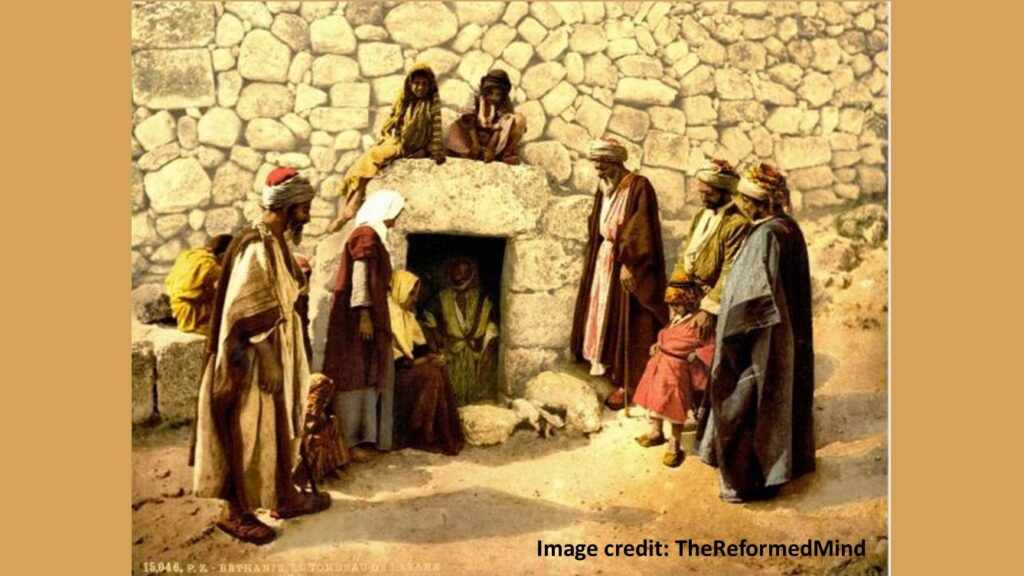
The Day Mr Trump Came to The Lord’s Table in my Church
After the “priest” consecrated the bread and wine, he issued the usual invitation. Trump stood up to go to the front to receive the body and blood of Jesus, broken for the world.
After the “priest” consecrated the bread and wine, he issued the usual invitation. Trump stood up to go to the front to receive the body and blood of Jesus, broken for the world.
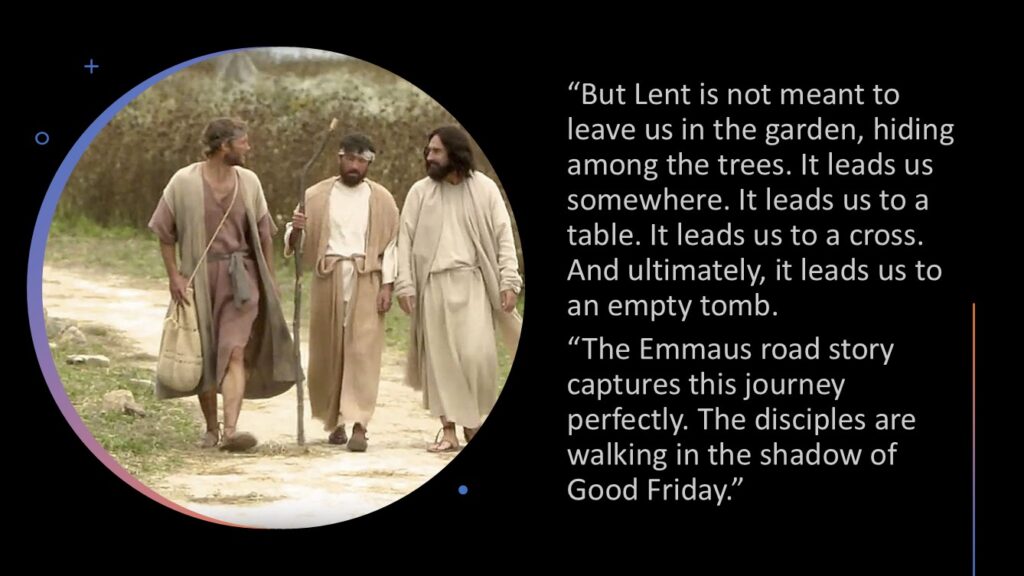
Traffic. Deadlines. The haze. The constant scroll through social media. Living in the Klang Valley means our eyes are wide open. But are we really seeing? We look at screens. We look at the road. We look at our never-ending to-do lists. Yet like the two disciples walking to Emmaus, we can miss the most …
The Meal That Opened Their Eyes: Genesis, Emmaus, and Us Read More »

Humanity’s First Calling The story of humanity in Genesis begins not with conquest, but with care. In Genesis 2:15, God places the human in the garden “to work it and to keep it.” The Hebrew word avad is key. It can mean “to labor,” but more often it means “to serve” or “to care.” This …
Called to Serve and Keep: Rediscovering Genesis 2:15 Read More »

His disciples were with him as he left. They saw a beggar. They put to him a question which bothered them, just like it bothers us. They asked him, “Rabbi, who sinned, this man or his parents, that he was born blind?”

I can see why they built a church to commemorate her. I can hear the preacher’s words at the dedication service of the church, 1,700 years ago.

What should be the response of Christians to those whose favourite verse is “an eye for an eye”? Are they Christians?

Most of the homes are filled with ang pow, red packets with gifts of money; and oranges, which signify wealth. Talk of death is forbidden. Yet,

Why did Matthew tell us of the transfiguration? Why does he frame it as Jesus’ response to the depression his disciples fell into when they learned about the crucifixions in their own futures? Why does he tell us about Peter’s tent-construction proposal? Why was God so “political” in the way he addressed Jesus?

This Sunday, the lectionary invites us to ponder Matthew 5:13-20. The English Standard Version supplies the heading “Salt and Light” to verses 13-16, and the heading “Christ Came to Fulfil the Law” to verses 17-20. Last week, I discussed the earlier verses in today’s chapter, the first words in Jesus’ Sermon on the Mount. Jesus …
Did Jesus really say some people are fit only to be trampled upon? Read More »